
Identifying the best parental control settings for family networks has become a top priority for modern households as we navigate the complex digital landscape of 2026. With the proliferation of internet-connected devices, ranging from smart appliances to educational tablets, the potential for exposure to inappropriate content or cyber threats has increased significantly. Parents must adopt a proactive stance, moving beyond simple observation to implementing robust, multi-layered security protocols that protect every member of the household. By configuring these settings at the network level, you create a foundational barrier that filters web traffic before it even reaches a smartphone or laptop. This comprehensive guide will explore the most effective strategies for securing your home network, ensuring that your children can explore the digital world safely and responsibly while maintaining their privacy and security.
Implementing Router-Level Protection
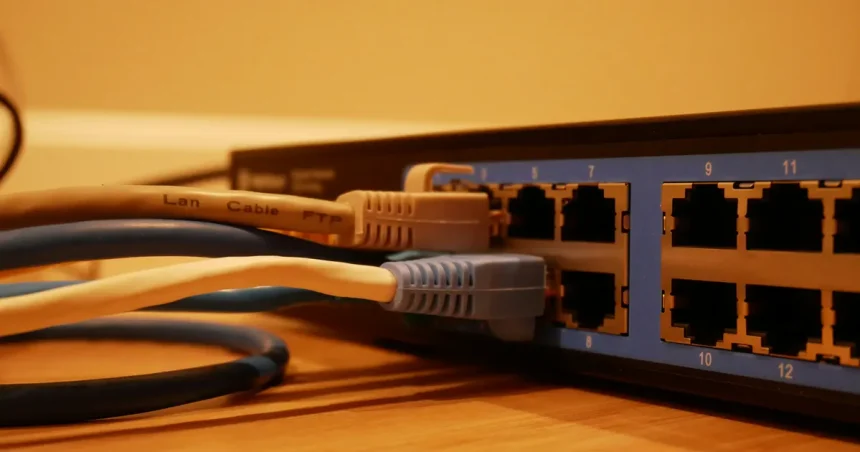
Configuring security at the router level is arguably the most efficient way to manage the best parental control settings for family networks because it covers all connected devices simultaneously. Modern routers from major manufacturers now include integrated security suites that allow parents to create individual profiles for each family member, assigning specific devices to those profiles. This centralized approach enables you to apply global filters for adult content, gambling, and malicious websites without needing to install software on every single gadget. By accessing the web-based administrative panel or a dedicated mobile app, you can monitor real-time traffic and receive alerts when a device attempts to access a restricted domain, providing a high-level overview of your digital footprint.
Furthermore, hardware-based controls offer a level of persistence that software applications often lack, as they are much harder for tech-savvy children to bypass or disable. Many high-end routers in 2026 feature deep packet inspection technology, which analyzes the nature of the data being transmitted to identify potential risks even within encrypted streams. These systems often provide scheduled internet pauses, allowing parents to disable connectivity during meal times or late at night with a single tap. Implementing these settings ensures that the home environment remains focused on offline interactions when necessary, fostering a healthier balance between virtual engagement and real-world activities while maintaining a secure perimeter against external digital threats and intrusive tracking.
Configuring Device-Specific Restrictions
While network-wide filters are essential, device-specific configurations provide a necessary second layer of protection for mobile devices that frequently leave the home Wi-Fi range. For those using Apple products, the Screen Time feature offers granular control over app usage, content ratings, and communication limits, ensuring that the best parental control settings for family networks extend to cellular data. Similarly, Google’s Family Link provides Android users with the ability to approve or block app downloads from the Play Store and track the physical location of the device. These native tools are deeply integrated into the operating systems, making them highly reliable for managing daily limits and ensuring that children are only accessing age-appropriate applications and media.
Managing these settings requires a consistent approach across different platforms to avoid loopholes in the family’s digital safety net. Parents should take the time to explore the privacy settings on gaming consoles and smart TVs, as these devices are often overlooked despite having full internet access. Most modern consoles allow for the restriction of multiplayer interactions and the disabling of in-game purchases, which prevents unexpected financial charges and limits exposure to unvetted social environments. By synchronizing these device-level restrictions with your overall network strategy, you create a cohesive defense system that protects your children regardless of which screen they are using or where they happen to be located at that moment.
Utilizing DNS Filtering for Safety
Implementing DNS filtering is a sophisticated yet accessible method to enhance the best parental control settings for family networks without requiring expensive hardware upgrades. By changing the default Domain Name System settings on your router to a provider like OpenDNS or Cloudflare for Families, you can automatically block millions of known malicious or adult-oriented websites. DNS acts as the phonebook of the internet, and by using a filtered version, you ensure that requests for “bad” sites are never resolved into IP addresses. This method is particularly effective because it works silently in the background, providing a seamless browsing experience for users while maintaining a strict policy against prohibited content categories.
The primary advantage of DNS-based filtering is its ability to protect legacy devices or smart home gadgets that do not have built-in parental control menus. For example, a smart refrigerator or an older desktop computer will benefit from the same level of protection as a brand-new smartphone once the router’s DNS is configured. This approach also helps in mitigating the risks of phishing and malware, as many DNS providers maintain real-time databases of emerging threats. In 2026, many families are opting for these cloud-based solutions because they are frequently updated by security experts, ensuring that your home network remains protected against the latest digital hazards without requiring manual intervention or constant software updates from the user.
Managing Screen Time and Scheduling
Effective time management is a cornerstone of digital wellness, and scheduling tools are vital for maintaining the best parental control settings for family networks. Most contemporary network management systems allow parents to define “off-hours” for specific devices, which helps in preventing late-night browsing that can interfere with sleep patterns and academic performance. By automating these schedules, you remove the need for daily negotiations over screen time, as the network simply disconnects at the pre-arranged hour. This proactive management encourages children to develop self-regulation skills, as they learn to prioritize their online activities within a defined window of time rather than having unlimited, unfettered access.
Moreover, scheduling features can be used to prioritize bandwidth for educational purposes during school hours while restricting access to gaming or streaming platforms. This ensures that the household’s internet resources are being used effectively and that children remain focused on their tasks without the distraction of social media notifications or high-definition video content. Many parents find that setting a “digital sunset” where all non-essential devices lose connectivity helps in establishing a healthy evening routine for the entire family. These controls are not just about restriction; they are about creating a structured environment where technology serves as a tool for growth rather than a constant source of distraction or conflict.
Leveraging Third-Party Management Apps
Third-party parental control applications like Qustodio or Bark provide an additional layer of insight that native tools might miss, particularly regarding social media monitoring. These apps can scan text messages, emails, and social media posts for signs of cyberbullying, predatory behavior, or mentions of self-harm, providing parents with alerts when concerning patterns emerge. While these tools require a higher level of trust and transparency between parents and children, they are invaluable for identifying risks that occur within private messaging platforms. Integrating these apps into your family network strategy allows for a more nuanced approach to digital safety that prioritizes emotional well-being alongside technical security and content filtering.
Enhancing Network Privacy and Security
Privacy is a critical component of the best parental control settings for family networks, especially as data collection practices become more invasive. Parents should ensure that their home network uses WPA3 encryption to prevent unauthorized access and that all IoT devices are placed on a separate guest network. This isolation prevents a compromised smart bulb or camera from providing a gateway to more sensitive devices, such as the family computer or a work laptop. Additionally, checking the privacy policies of the apps and services your children use, in accordance with the Children’s Online Privacy Protection Act, is essential for ensuring that their personal data is not being exploited for advertising purposes.
In 2026, the use of a Virtual Private Network (VPN) at the router level has also become a popular choice for families seeking to mask their physical location and encrypt their entire household’s web traffic. This prevents Internet Service Providers from tracking browsing habits and adds an extra layer of anonymity for every family member. However, it is important to choose a VPN provider that offers dedicated parental control features, as some standard VPNs might bypass your existing DNS filters. By combining encryption with strict privacy settings on individual social accounts, you can significantly reduce the digital footprint of your children, making them less visible to data brokers and reducing the risk of identity theft or targeted cyberattacks.
Comparing Parental Control Solutions
Choosing the right solution depends on your family’s specific needs, technical expertise, and the types of devices used in your home. Some families prefer the simplicity of an all-in-one router solution, while others may require the deep monitoring capabilities provided by specialized software. Below is a comparison of common parental control methods to help you determine which approach fits your household’s requirements for security and ease of use. It is often recommended to use a combination of these methods to create a truly comprehensive safety net that addresses both content filtering and behavioral management across all digital touchpoints in 2026.
| Feature | Router-Level Controls | DNS Filtering | Software Apps |
|---|---|---|---|
| Coverage | All Network Devices | All Network Devices | Installed Devices Only |
| Content Filtering | High (Category Based) | High (Domain Based) | Very High (App Based) |
| Time Limits | Yes (Network Cutoff) | No | Yes (Per App/Device) |
| Activity Reports | Basic Traffic Data | Domain Logs Only | Detailed Usage Logs |
| Ease of Setup | Moderate | Simple | Moderate to Complex |
Key Takeaways
- Router-level settings provide a centralized defense for every connected device in the home.
- DNS filtering via providers like OpenDNS offers a seamless way to block malicious content.
- Native OS tools like Apple Screen Time are essential for managing mobile devices on cellular data.
- Scheduling internet “off-hours” helps promote digital wellness and better sleep hygiene.
- Isolating IoT devices on a guest network prevents lateral movement by cyber attackers.
- Regularly auditing privacy settings is vital for compliance with modern data protection standards.
Frequently Asked Questions
What is the most effective way to block adult content?
The most effective way to block adult content is to implement DNS-level filtering on your router, as this prevents the devices from even resolving the addresses of restricted websites. This can be supplemented by enabling “Safe Search” features within individual browsers and search engines to ensure that explicit images and videos are filtered out of search results automatically.
Can my child bypass parental controls using a VPN?
Yes, children can sometimes bypass local or DNS filters by using a personal VPN on their device, which encrypts their traffic and hides it from the router. To prevent this, parents should use the best parental control settings for family networks that include blocking known VPN protocols at the router level or using management software that prevents the installation of unauthorized apps.
How do I manage internet use on gaming consoles?
Most modern gaming consoles like the PlayStation 5 and Xbox Series X have built-in parental control menus that allow you to set spending limits, restrict playtime, and filter content by age rating. You can also manage these devices through your router by assigning them to a specific profile with its own set of scheduling rules and content filters.
Are third-party parental control apps worth the subscription?
Third-party apps are often worth the investment if you require deep insights into social media activity or text messaging, which native tools usually do not provide. These apps offer sophisticated monitoring features that can alert you to potential dangers like cyberbullying or predatory behavior, providing a layer of protection that goes beyond simple content blocking.
Do parental controls affect internet speed?
In most cases, parental controls have a negligible impact on internet speed, especially when using modern hardware or DNS filtering. However, some deep packet inspection features on older routers may cause a slight increase in latency. If speed is a concern, using a cloud-based DNS service is typically the most performance-friendly way to maintain a safe network environment.
Conclusion
Establishing the best parental control settings for family networks is an ongoing process that requires both technical configuration and open communication. As we move through 2026, the tools available to parents have become more sophisticated, allowing for a balanced approach that protects children without stifling their digital literacy. By combining router-level defenses, DNS filtering, and device-specific limits, you can create a secure environment that adapts to the evolving needs of your family. Ultimately, technology is most effective when used in tandem with parental guidance, ensuring that the internet remains a safe space for discovery and growth.