
In an era dominated by digital entertainment, understanding how fiber optic networks improve streaming quality is paramount for anyone seeking an uncompromised viewing experience. As consumers increasingly rely on services like Netflix, Disney+, and live sports broadcasts delivered over the internet, the underlying network infrastructure becomes the critical determinant of performance. Traditional copper-based connections often struggle to meet the demand for high-resolution content, leading to frustrating buffering, pixelation, and dropped connections. Fiber optic technology, transmitting data as pulses of light through thin glass strands, offers a revolutionary solution, fundamentally transforming the way we consume online media and setting new standards for speed, reliability, and clarity.
Understanding Fiber Optic Technology
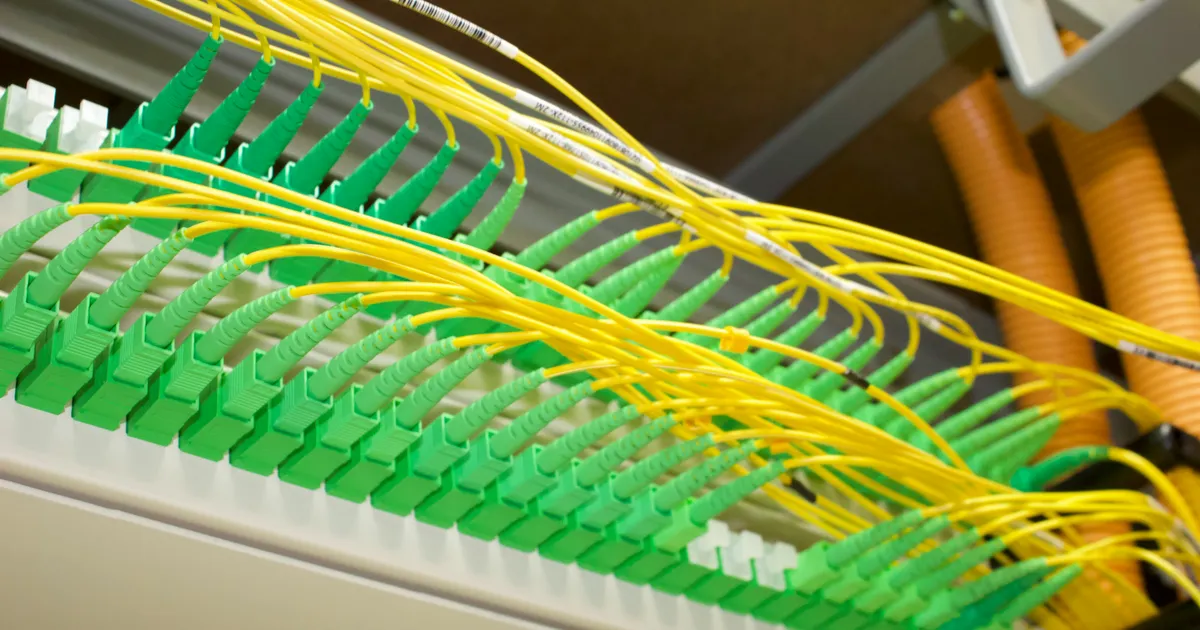
Fiber optic technology represents a significant leap forward in data transmission, fundamentally differing from older copper wire systems. Instead of electrical impulses, fiber optic cables transmit information using pulses of light, traveling through incredibly thin strands of glass or plastic, often no thicker than a human hair. This method allows for data to move at speeds approaching the speed of light, overcoming the inherent limitations of electrical signals which are prone to resistance and signal degradation over distance. The core principle involves total internal reflection, where light bounces along the inside of the fiber, enabling efficient and rapid data delivery without significant loss.
Each fiber optic cable can contain multiple strands, known as optical fibers, capable of carrying vast amounts of data simultaneously. This robust infrastructure is designed for high capacity and long-distance communication, making it ideal for the demanding requirements of modern internet usage. When considering how fiber optic networks improve streaming quality, this fundamental shift from electricity to light is key; it means more data can be sent further and faster, directly translating into smoother, clearer, and more reliable streaming experiences for users across the globe. The transition to this technology is a pivotal move towards a more connected and high-definition digital future.
The Bandwidth Advantage for Streaming
Bandwidth is essentially the capacity of your internet connection to carry data, and for streaming, more bandwidth means a significantly better experience. Fiber optic networks offer vastly superior bandwidth compared to traditional cable or DSL connections, allowing them to handle massive amounts of data simultaneously without congestion. This immense capacity is crucial for today’s high-definition content, where a single 4K video stream can consume a substantial portion of a typical broadband connection. With fiber, multiple devices can stream 4K or even emerging 8K content concurrently in a single household, all without any noticeable drop in quality or performance across any of the streams.
The practical implication of this bandwidth advantage is the virtual elimination of buffering. Buffering occurs when your internet connection cannot download data fast enough to keep pace with playback, causing the video to pause and load. Fiber optic internet, with its expansive data lanes, ensures that your streaming device receives a continuous, uninterrupted flow of data, allowing for instant playback and seamless transitions between scenes. This robust bandwidth also supports other high-demand activities like online gaming, large file downloads, and video conferencing, all running smoothly alongside your streaming, making fiber an indispensable upgrade for modern digital living in 2026 and beyond.
Minimizing Latency and Jitter
Latency, often referred to as ‘lag,’ is the delay between sending a data packet and receiving a response, while jitter refers to the variation in that delay. Both are critical factors that heavily impact the quality of real-time applications, including live streaming, online gaming, and video calls. High latency can cause frustrating pauses in live broadcasts, desynchronized audio and video, and significant disadvantages for competitive gamers. Jitter exacerbates these problems, leading to inconsistent performance and a generally choppy experience. Traditional copper networks, particularly over longer distances, are inherently susceptible to higher latency and more pronounced jitter due to electrical resistance and signal noise.
Fiber optic networks dramatically reduce both latency and jitter because data travels as light signals, which are far less susceptible to electromagnetic interference and signal degradation over distance. This direct and rapid transmission path ensures that data packets arrive at their destination with minimal delay and a high degree of consistency. For streaming services, this means live events appear truly live, with immediate responsiveness and perfect synchronization. For example, a live sports broadcast will reach your screen with significantly less delay compared to copper-based connections, ensuring you’re watching events as they unfold. This low-latency advantage is a cornerstone of how fiber optic networks improve streaming quality, particularly for time-sensitive content.
Real-World Impact on Live Events
The impact of reduced latency on live events streamed over fiber optic networks is profound and immediately noticeable. Imagine watching a major sporting event or a live concert; every second of delay can detract from the experience. With fiber, the near-instantaneous transmission of data means that the action on your screen is happening almost simultaneously with the actual event, eliminating the frustrating delays often experienced with traditional internet services. This is not just about avoiding spoilers from social media; it’s about experiencing the event in real-time, as intended by broadcasters. Furthermore, for interactive live streams or video conferencing, low latency ensures natural conversations and smooth, responsive engagement, making virtual interactions feel much more direct and personal.
Consistent Speed Over Distance
One of the significant advantages of fiber optic networks over traditional copper-based connections like DSL or even coaxial cable is their ability to maintain consistent speeds over vast distances. Copper wires are prone to signal degradation; the further the data has to travel from the service provider’s central office, the weaker the electrical signal becomes, leading to slower speeds and reduced reliability. This often means that customers living further away from key infrastructure points experience significantly worse internet performance, despite potentially paying for a higher tier of service. Such limitations make high-quality streaming a challenge for many households.
Fiber optic cables, by contrast, transmit data using light, which is far less susceptible to attenuation and electromagnetic interference over long hauls. This means that whether your home is a few blocks or several miles from the main fiber hub, you can expect to receive the advertised speeds with remarkable consistency. This reliability is crucial for streaming, as it ensures a stable connection capable of delivering sustained high bitrates required for 4K and 8K content without unexpected slowdowns or drops. The consistent speed provided by fiber optic networks is a key factor in how they fundamentally improve streaming quality, offering a dependable foundation for all your digital entertainment needs.
Future-Proofing Your Entertainment
Investing in a fiber optic network today is not just about meeting current streaming demands; it’s about future-proofing your home entertainment experience for the next decade. As technology evolves, so do the demands on internet infrastructure. We’ve moved from standard definition to HD, then to 4K, and 8K streaming is becoming increasingly prevalent. Beyond resolution, emerging technologies like virtual reality (VR) and augmented reality (AR) experiences, interactive streaming, and cloud gaming require even more robust, low-latency connections than ever before. Fiber optic cables possess an immense capacity for carrying data, far exceeding what current consumer applications typically require, providing significant headroom for future advancements.
The inherent scalability of fiber optic technology means that as new, more data-intensive streaming formats and interactive digital experiences emerge, the existing fiber infrastructure will likely be able to support them with simple upgrades to the equipment at either end of the fiber, rather than needing to replace the entire cabling system. This longevity makes fiber optic internet a wise, long-term investment for any household serious about its digital entertainment. By choosing fiber, consumers ensure they are well-prepared for the innovations of 2026 and beyond, guaranteeing access to the highest quality content and most immersive experiences without needing constant infrastructure overhauls. For authoritative information on broadband infrastructure, you might consult resources like the Federal Communications Commission (FCC).
Enhanced Reliability and Security
Beyond speed and capacity, fiber optic networks offer significant advantages in terms of reliability and security, which indirectly contribute to a better streaming experience. Fiber optic cables are inherently more robust and less susceptible to environmental factors that can plague traditional copper lines. They are immune to electromagnetic interference (EMI) from power lines, radio signals, and electrical storms, which can cause disruptions and signal degradation in copper cables. This immunity means fewer dropped connections and more consistent performance, ensuring your streaming isn’t interrupted by external electrical noise. Furthermore, fiber cables are less prone to physical damage from extreme weather conditions, offering a more resilient internet connection.
From a security standpoint, the way fiber optics transmit data makes them inherently more secure. Tapping into a fiber optic cable to intercept data is significantly more difficult and detectable than tapping into an electrical copper wire. Any attempt to cut or splice a fiber cable to siphon off data would typically cause a noticeable disruption in the light signal, alerting the network operator. This enhanced security protects your personal data and reduces the risk of malicious interference, contributing to an overall more stable and trustworthy network environment for all your online activities, including sensitive transactions and private streaming. For further reading on fiber optic technology and its benefits, sources like Wikipedia’s entry on Optical Fiber can be very informative.
Key Takeaways
- Fiber optic networks transmit data as light signals, offering vastly superior speeds and capacity compared to traditional copper.
- Increased bandwidth from fiber virtually eliminates buffering, supporting multiple 4K/8K streams simultaneously.
- Fiber drastically reduces latency and jitter, providing smooth, real-time experiences for live streaming and online gaming.
- Consistent speeds are maintained over long distances, ensuring reliable performance regardless of location.
- Fiber optic technology future-proofs your home, easily accommodating emerging high-demand entertainment formats like VR and 8K.
- Enhanced reliability due to immunity to EMI and improved security features contribute to a more stable and safe streaming environment.
Frequently Asked Questions
What is the main difference between fiber optic and traditional internet for streaming?
The main difference lies in how data is transmitted: fiber uses light signals through glass strands, while traditional internet (like DSL or cable) uses electrical signals through copper wires. Fiber’s light-based transmission allows for significantly higher speeds, greater bandwidth, and much lower latency, leading to a superior and more reliable streaming experience without buffering or quality drops.
Can fiber optic internet support 4K and 8K streaming?
Absolutely. Fiber optic internet is ideally suited for 4K and 8K streaming due to its immense bandwidth capacity. It can easily provide the sustained high bitrates required for these ultra-high-definition formats, ensuring crisp visuals and smooth playback, even when multiple devices are streaming simultaneously in the same household.
Does fiber optic internet help with buffering issues?
Yes, significantly. Buffering is primarily caused by insufficient bandwidth or high latency. Fiber optic internet addresses both these issues by providing vast bandwidth and ultra-low latency, allowing your device to download streaming data much faster than it’s consumed, thereby virtually eliminating buffering and ensuring uninterrupted viewing.
Is fiber optic internet more reliable than cable or DSL?
Generally, yes. Fiber optic cables are less susceptible to electromagnetic interference, electrical noise, and signal degradation over distance compared to copper cables. This makes fiber connections more stable and reliable, leading to fewer service interruptions and more consistent speeds, which is crucial for maintaining streaming quality.
How does fiber optic internet prepare me for future streaming technologies?
Fiber optic internet is considered “future-proof” because its inherent capacity for data transmission far exceeds current consumer demands. As technologies like 8K streaming, virtual reality (VR), and advanced cloud gaming become mainstream, fiber’s infrastructure is already equipped to handle these data-intensive applications, ensuring you won’t need immediate upgrades to your internet connection.
Conclusion
The evolution of digital entertainment demands an internet infrastructure capable of delivering seamless, high-quality experiences, and fiber optic networks stand as the definitive answer. By harnessing the power of light to transmit data, fiber fundamentally transforms how fiber optic networks improve streaming quality, offering unparalleled speed, expansive bandwidth, and critically low latency. This ensures that frustrating buffering, pixelation, and delays become relics of the past, paving the way for crystal-clear 4K and 8K content, immersive live events, and responsive online interactions. As our digital lives become increasingly intertwined with high-definition streaming and interactive online experiences, embracing fiber optic technology is not merely an upgrade but an essential investment for a superior, future-ready entertainment landscape in 2026 and beyond.